
Out of office. Still checking emails.
Hey Jude
I’m a workaholic. Well, that’s what my husband tells me.
I’m a civil servant and I’ve done really well in my career. I know a lot of that is because I work hard. I put in extra hours, work late and make myself available when things need to get done. You could say it has paid off.
The problem is, I get really nervous about taking time off.
I’m in a leadership position and I like to know what is going on. When I’m away, I worry that something will go wrong or that my projects will fall behind. I do take holidays, but I’m never completely switched off. I check my emails, keep an eye on things and make sure my team knows they can contact me if they need me.
This does not go down well with my husband. He says I’m never fully present and has even threatened to ban my phone on our next holiday.
The truth is, he is a self employed electrician, so I don’t think he fully understands the pressure of my job. He definitely doesn’t understand what it can feel like being a Black woman in a senior position.
I’ve had to work incredibly hard to get where I am. Part of me worries that if I slow down, even for a week, everything I’ve built could start to slip.
My husband thinks I need to trust my team and learn to switch off. I think staying available is part of being a good leader.
Am I wrong?
Dianne , 44
Senior Programme Manager in the Civil Service

Hi Dianne
Thank you for being so open. Your letter arrived at a time when I had just taken a break myself, including from writing this newsletter.
I came back with more energy, excitement and a clearer head.
So my first piece of advice is: take the break.
I’m going to side with your husband on this one, although I understand where you are coming from.
As a Black woman, you have undoubtedly worked hard to get where you are. I would argue that you have probably had to work harder than many of the people around you. In this economy, I also understand the nervousness about slowing down or doing anything that could put your position at risk.
Yet working hard cannot mean always working.
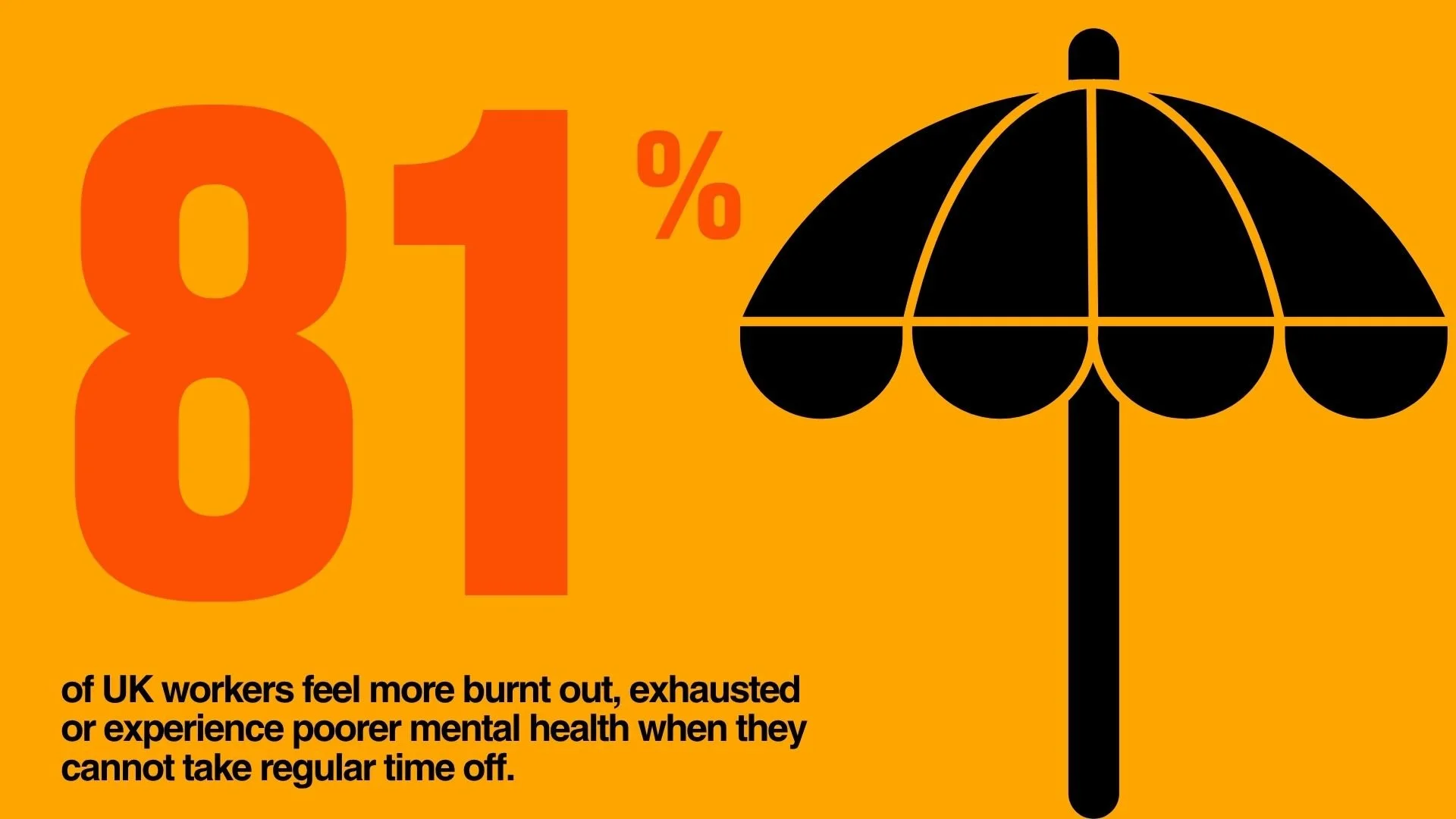
Research found that 81% of UK workers notice greater feelings of burnout, exhaustion or poor mental health when they cannot take regular time off. Taking a proper break is part of protecting your ability to keep doing good work.
If everything falls apart the moment you step away, the answer is not to cancel your holiday. It is a sign that something needs to change in how the work is managed.
Here are 5 things I think you should do:
Prepare your team
Make sure everyone knows their responsibilities, what decisions they can make and what can wait until you return.
Choose one point of contact
Nominate someone you trust to handle anything urgent. If you genuinely need to be contacted, it should come through that person.
Set a boundary
Turn off your work notifications. If switching off completely feels impossible, agree one short check in at a set time rather than constantly watching your emails.
Trust your team
Being a good leader does not mean being available at all times. Give people the opportunity to step up. They may not do everything exactly as you would, but that does not mean they will do it badly.
Be present
Your husband wants your time, not just your physical presence. You have worked hard for the life you have. Make sure you get to enjoy it with him.
Rest is not something you earn once every task is finished. There will always be another email, deadline or problem to solve.
Taking a holiday does not make you less committed. It might make you a healthier leader, a more trusting manager and a happier wife.
Your work can survive without you for a week.
Take the break, DIANNE. Properly.
Jude
A little more for you
Read:I’ve Been Busy for Twenty Years by Sharmadean Reid
The Black British founder reflects on chronic burnout and what years of constant busyness eventually cost her.
Watch:7 Shocking, Proven Health Benefits of Vacation by Doctor Mike
A simple breakdown of how taking a proper holiday can benefit your physical and mental health.